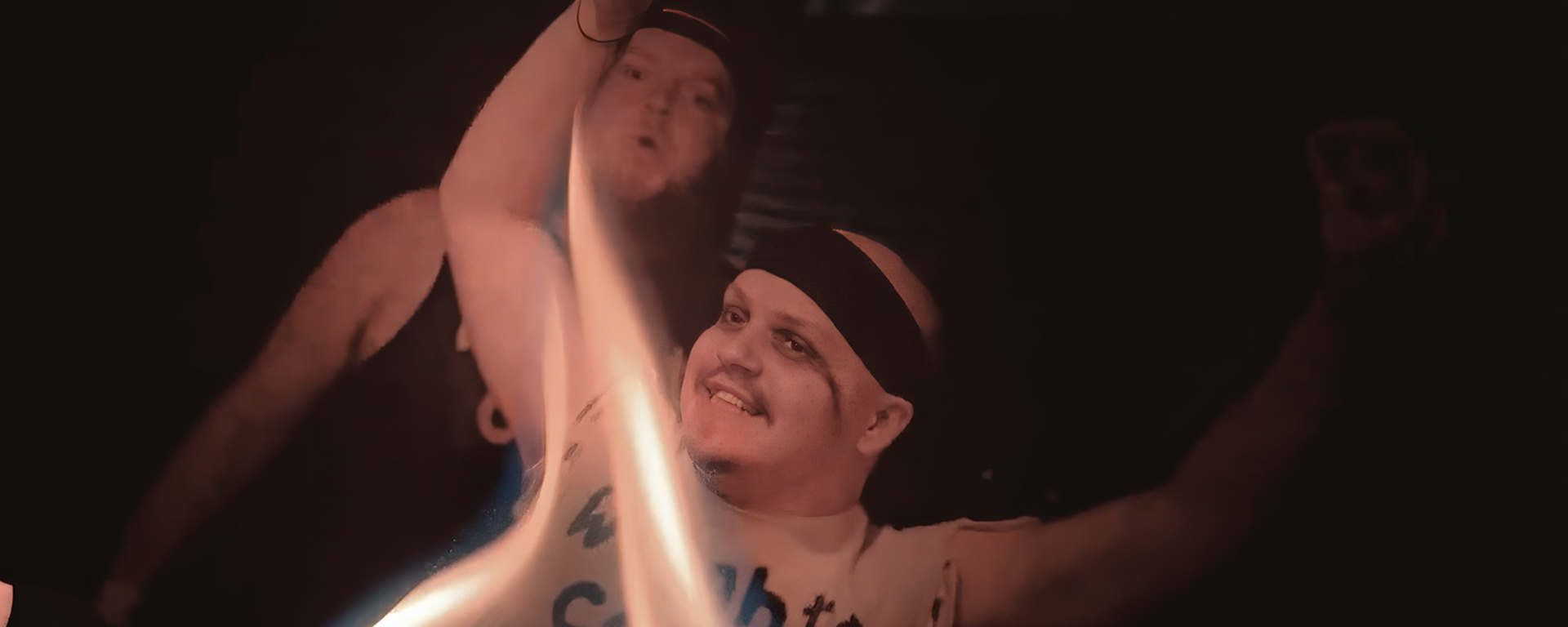
One Breakup.
Two Different Paths.
One Shared History.
When I broke into professional wrestling, it wasn't the spectacle of the squared circle that drew me in. It wasn't the pageantry or the athleticism. It was the storytelling.
Just a few months after joining New South Pro Wrestling, I found myself helping shape one of its most ambitious character-driven stories: the end of the Big City Bandits.
How do you separate two wrestlers whose identities are built around each other without diminishing either one? This project explores how we transformed one established tag team into two distinct singles competitors through character development, cinematic storytelling, and creative direction.
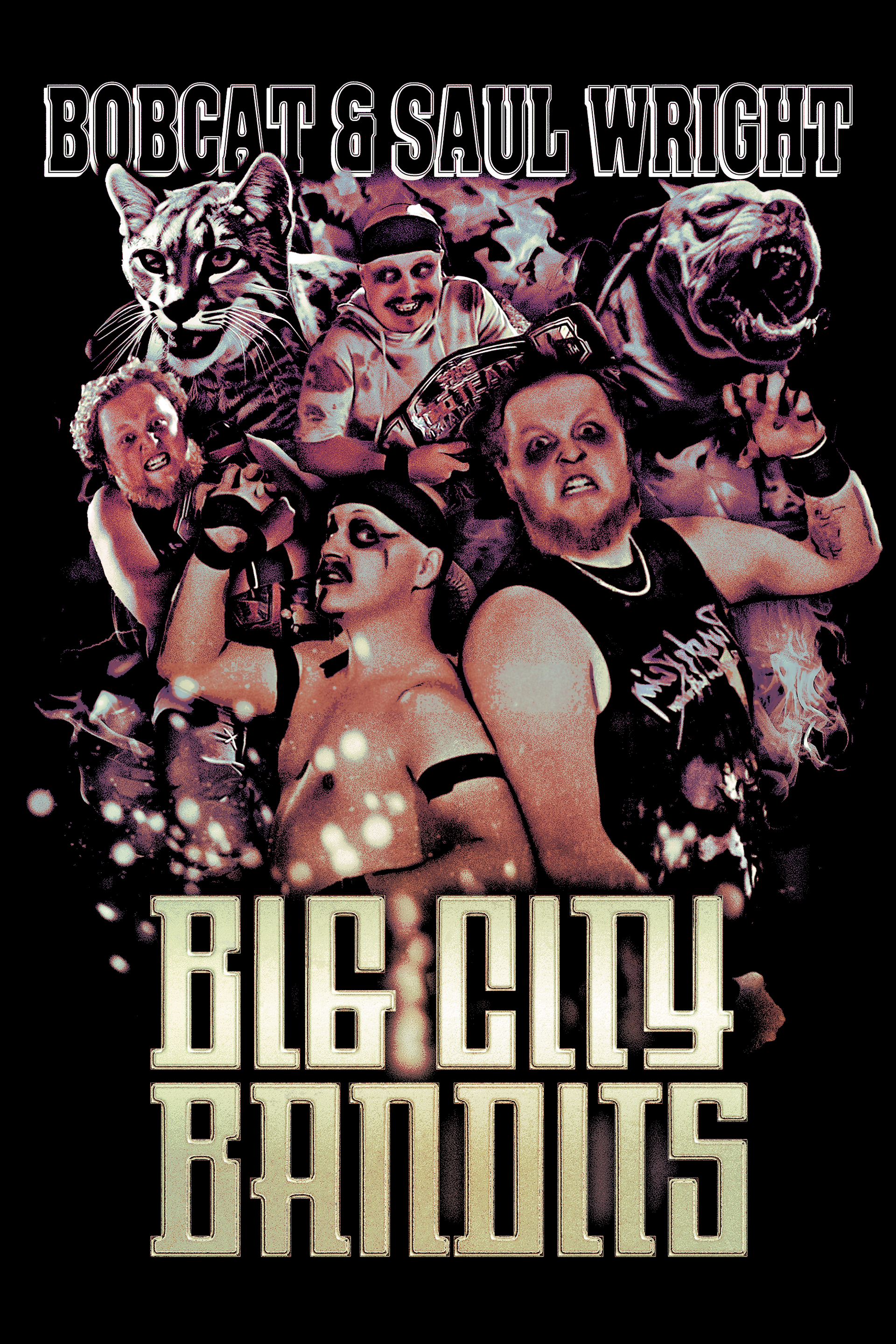
The Big City Bandits arrived in New South Pro Wrestling exactly as their name suggested: by stealing the New South Tag Team Championships and violently inserting themselves into the division's legacy. They quickly became one of the promotion's premier heel tag teams, but after losing those championships, the Bandits found themselves without a clear identity or direction.
That uncertainty came to a head when Saul Wright betrayed his longtime partner, Bobcat, ending the team in brutal fashion.
From a creative standpoint, though, the betrayal wasn't the story—it was the opportunity.
A standard hero-versus-villain rivalry would've created a memorable moment, but not memorable characters. Instead, I approached the breakup as a dual character rebrand, using one rivalry to transform two wrestlers whose identities had become inseparable into two distinct performers with completely different voices, aesthetics, and futures.
SAUL WRIGHT
Following the breakup, Saul Wright entered New South's singles division in a horror-inspired rivalry with Ravenna Vein. Rather than presenting him as a traditional wrestling heel, I looked outside the industry for inspiration, reframing Saul as the slasher villain in his own horror film while Ravenna became the story's "final girl."
That creative framework influenced every decision that followed. Saul's visual identity drew from classic horror iconography, while his promos abandoned the polished broadcast look in favor of degraded VHS footage that felt like discovered found footage rather than produced content.
The result was the "Southeast Slasher," a backwoods, would-be serial killer with a distinct voice, aesthetic, and creative identity. By building the character around a recognizable horror archetype instead of wrestling tropes, Saul became more than an antagonist—he became the villain of his own story.
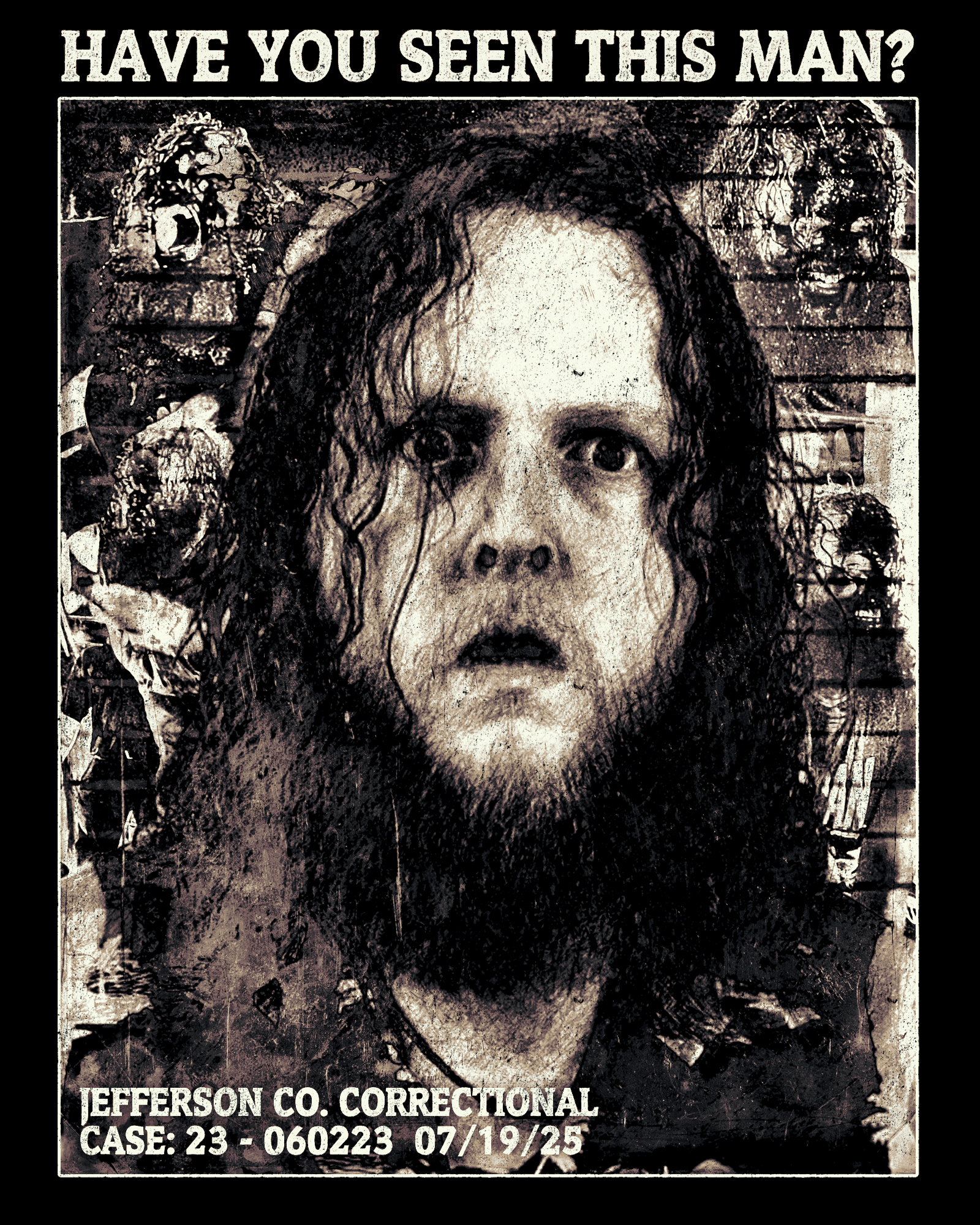
Bobcat?
While Saul's story was about embracing a new identity, Bobcat's was about losing his.
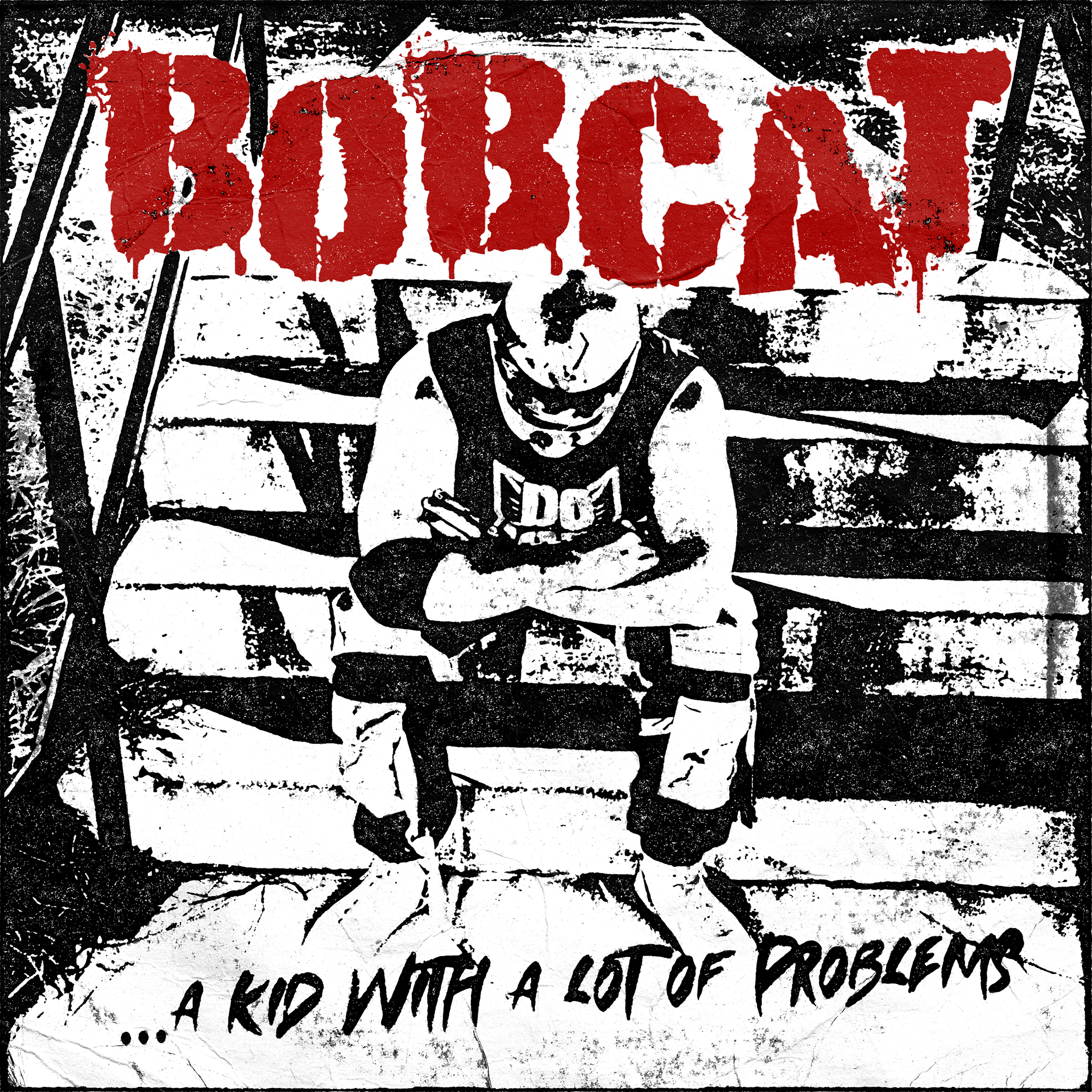
Instead of immediately returning as a heroic babyface seeking revenge, Bobcat simply... disappeared. His social media fell silent, replaced by posts from family members asking if anyone had seen him. The mystery continued in a five-part YouTube series, filmed in the same degraded VHS style as Saul's promos, documenting the search for the missing Big City Kitty.
When he was finally found, the answer wasn't what anyone expected.
Bobcat didn't know who he was.
That revelation transformed the story from a missing-person mystery into a story about identity. We'd spent weeks asking, "Where is Bobcat?" The more interesting question became, "Who is Bobcat?"
The Bandits Collide
After months of asking, "Where is Bobcat?" the answer finally arrived at RassleVania 2025. During Ravenna Vein and Saul Wright's casket match, Saul opened the casket expecting victory. Instead, he came face-to-face with his past. Bobcat had returned—but he wasn't Bobcat anymore. He had become Izzy Byrum.
While Saul's identity borrowed from classic slasher films, Izzy's was rooted in DIY punk culture. Both characters retained the same analog VHS aesthetic, but for entirely different reasons. Saul's promos felt like unsettling found footage, while Izzy's carried the raw, handmade spirit of the punk scene. They shared the same visual language, but spoke with completely different voices.
That became my favorite creative thread throughout the project. Although Saul and Izzy had evolved into completely different people, the subtle similarities in their presentation reminded audiences that neither could fully escape the life they once shared.
This project reinforced a belief that continues to shape my work today: branding isn't about making something look different—it's about making it mean something.
Every creative decision, from Saul's found-footage horror aesthetic to Izzy's DIY punk identity, existed to reinforce character before style. The visuals weren't decoration; they were another layer of the storytelling.
That's the kind of creative direction I strive for. Whether I'm building a brand, developing a character, or producing a campaign, I want every visual choice to answer the same question:
Who is this, and why should people care?